
Texas Data Centers Face Freeze After Hinojosa Wins Governor Race
Texas data centers face a possible moratorium after Gina Hinojosa won the governor’s race, sending CoreWeave, Oracle and other AI stocks lower.
 Hakkı ALKAN
Published 2 min read
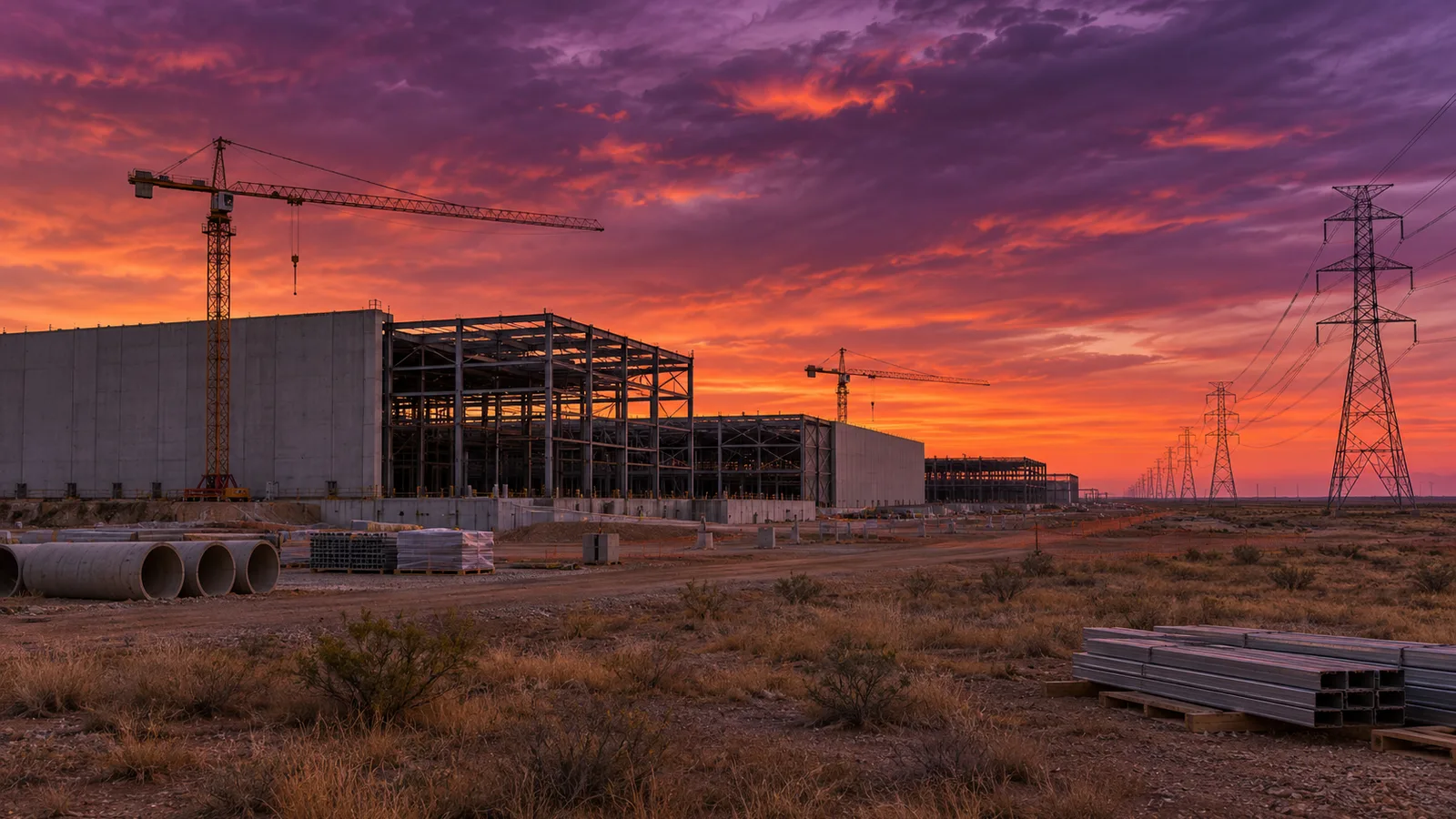
Texas data centers are facing their biggest political test yet. Democrat Gina Hinojosa won the Texas governor’s race on November 3, beating Republican incumbent Greg Abbott after a campaign built partly on an immediate moratorium on new data center development, and AI infrastructure stocks fell on Wednesday as investors priced in the risk.
Hinojosa, the first Democrat to win the Lone Star State’s governorship in more than three decades, has accused developers of “raising our utility rates and depleting our water.” She has promised to halt approvals until lawmakers pass rules that give communities a voice, protect household power bills and end tax incentives for the industry, Bloomberg reported.
Why Texas Data Centers Matter So Much
Texas sits at the center of the American AI buildout. Research firm SemiAnalysis said before the vote that the state accounts for nearly 30% of the US data center capacity due to come online in 2028, by far the largest share of any state. Wells Fargo puts Texas at 27% of planned data center gigawatts.
GLJ Research analyst Gordon Johnson estimated that roughly 13 gigawatts of capacity is immediately exposed. In his view, projects that already have power, permits and steel will keep going, those with power but no state environmental permits could slip 12 to 18 months, and those with neither may move to Louisiana, Oklahoma or nowhere at all.
AI Infrastructure Stocks Slide
The market reaction was swift. Neocloud providers CoreWeave and Iren fell about 7% and 6%, Oracle lost 4.3% and SpaceX shares dropped 7%, according to CNBC. Cipher Mining, whose development pipeline leans heavily on the Texas grid, sank 17%. Alphabet, Meta and Microsoft mostly bucked the trend.
The selloff interrupted a rally that followed strong AMD earnings a day earlier, and it lands while investors already question whether hyperscaler spending can keep growing at its current pace.
A Wider Wave of Local Limits
Texas was not the only signal. Democrats who won governor’s races in Georgia and Ohio have also called for pauses on construction, while voters in several Ohio towns approved their own limits on election night, as we covered in our Ohio data center ban report. Goldman Sachs economists said Democratic wins at the state and local level could lead to short-term moratoria affecting about 45% of planned US data center capacity expansion.
Federal policy is less likely to shift quickly, since national rules on AI and data centers would still need bipartisan support. For developers, the key question now is how long any Texas pause lasts and how much capacity ends up moving abroad, where projects such as Google’s Malaysia data center are already absorbing global AI demand.
Hinojosa takes office in January, so nothing changes overnight. But for Texas data centers still waiting on permits, the election has turned a regulatory risk into a timeline problem.