
Microsoft will develop most powerful quantum computer
Microsoft has taken important steps in the quantum computing race. The company participated in the Quantum World Congress and established new partnerships to develop the world’s most powerful quantum computer. So what does this system promise? Microsoft and Atom Computing join forces for the most…
 Ömer
Published 1 min read
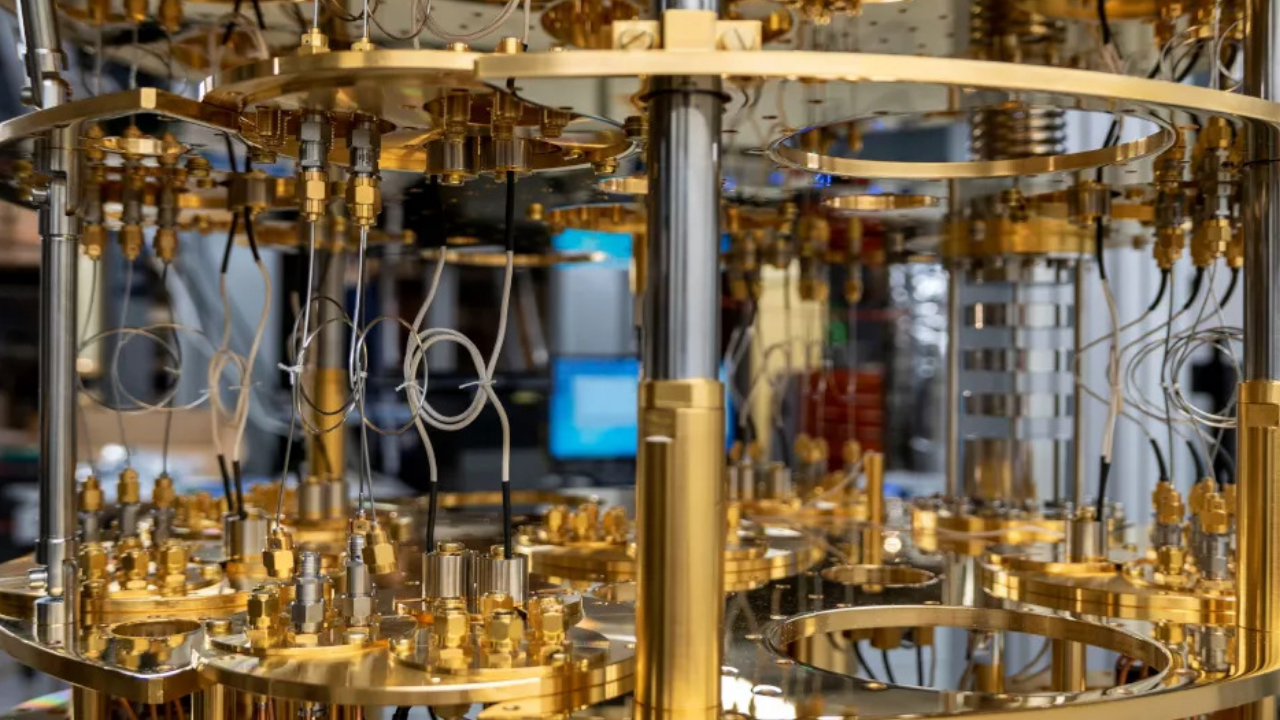
Microsoft has taken important steps in the quantum computing race. The company participated in the Quantum World Congress and established new partnerships to develop the world’s most powerful quantum computer. So what does this system promise?
Microsoft and Atom Computing join forces for the most powerful quantum computer
Microsoft announced at the Quantum World Congress that it has signed an important collaboration in the field of computing. The technology giant will join forces with Atom Computing to develop the most powerful quantum computer to date.
The partnership integrates Microsoft’s The qubit virtualization software with Atom Computing’s quantum processors. The two companies shared examples of qubits developed using this technology. In this context, it was stated that a system offering quantum computing will be developed.
3 2 12 1 3 2 3 2 12 1 3 2
Atom Computing’s quantum machines are characterized by qubit coherence, mid-circuit measurements and qubit reset. In addition, the interconnectivity of all qubits is critical for scaling quantum error correction.
The company is building second-generation quantum processors with more than 1,200 physical qubits. It aims to increase this number by a factor of 10 with each new hardware release. Microsoft said it will integrate the company’s quantum processors into its Azure Quantum cloud platform.
Quantum computing is a technology that surpasses classical computing in terms of both speed and memory usage. It potentially paves the way for predictions of physical phenomena that were previously impossible.