
Jeff Bezos’s space plan has been thwarted
The second launch of the massive New Glenn rocket, developed by Jeff Bezos’s space company, Blue Origin, was canceled due to adverse weather conditions, technical issues on the launch pad, and a cruise ship in the flight path. New Glenn’s new mission postponed Following the cancellation, the…
 Samet Kelebek

The second launch of the massive New Glenn rocket, developed by Jeff Bezos’s space company, Blue Origin, was canceled due to adverse weather conditions, technical issues on the launch pad, and a cruise ship in the flight path.
New Glenn’s new mission postponed
Following the cancellation, the company announced on Sunday evening that the second launch would take place on Wednesday, November 12th. The US Federal Aviation Administration (FAA) imposed temporary restrictions on space launches last week due to restrictions stemming from the government shutdown.
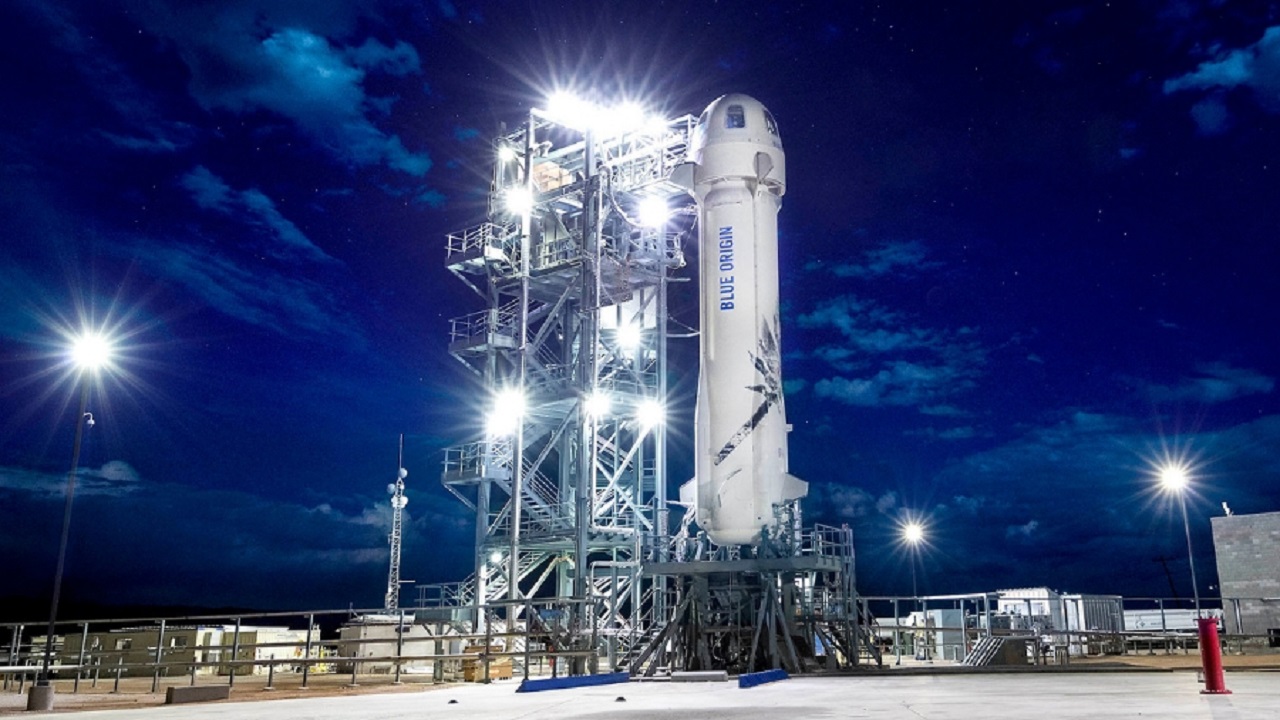
Blue Origin coordinated with the FAA and received approval for the new launch. The launch window will open at 10:50 PM Turkish time and will continue until 12:17 AM.
This mission is critical for the company in several ways. First, it will fully demonstrate the rocket’s reusability. New Glenn successfully completed its first launch in January, reaching orbit, but the rocket’s booster stage exploded during its landing on a drone ship at sea. Blue Origin aims to land the booster stage safely on land for the first time on this second mission.
This will also be the first commercial mission New Glenn will undertake. On this flight, the rocket will launch NASA’s twin ESCAPADE spacecraft toward Mars. Nicknamed “Blue” and “Gold,” these twin satellites will initially spend a year at the L2 Lagrange Point of the Earth-Sun system.
Then, they will make a short Earth flyby and reach Mars orbit towards the end of 2027. The two small satellites will orbit Mars in different orbits, collecting data on the planet’s magnetic field, plasma density, ion movements, and atmospheric escape processes. This information will provide a valuable resource for understanding Mars’ geophysical evolution and potential habitability in the past.
In addition, the rocket will carry a technology demonstrator developed by Viasat. This payload will be sent into space for testing as part of another NASA project.
So, for Blue Origin, this mission is much more than just a rocket launch. With this reusable rocket technology, the company aims to significantly reduce launch costs and position itself to compete with SpaceX in the space launch market.