
AMD and TSMC collaboration deepens
AMD’s next-generation Zen 6 processors are notable for a significant shift in their manufacturing process. The company is preparing to utilize TSMC’s 2-nanometer N2P process technology extensively in this series, which is expected to deliver dramatic leaps in performance and efficiency. The Zen 6…
 Samet Kelebek
Published 1 min read

AMD’s next-generation Zen 6 processors are notable for a significant shift in their manufacturing process. The company is preparing to utilize TSMC’s 2-nanometer N2P process technology extensively in this series, which is expected to deliver dramatic leaps in performance and efficiency. The Zen 6 architecture appears poised to undergo a comprehensive transformation in both hardware and manufacturing.
The collaboration between AMD and TSMC has begun to expand.
According to new information, both the “Classic” and “Dense” variants of the Zen 6-based EPYC Venice processors will be produced using TSMC’s N2P process. AMD has long been an early customer of this technology, allowing it to adopt the 2nm process early.
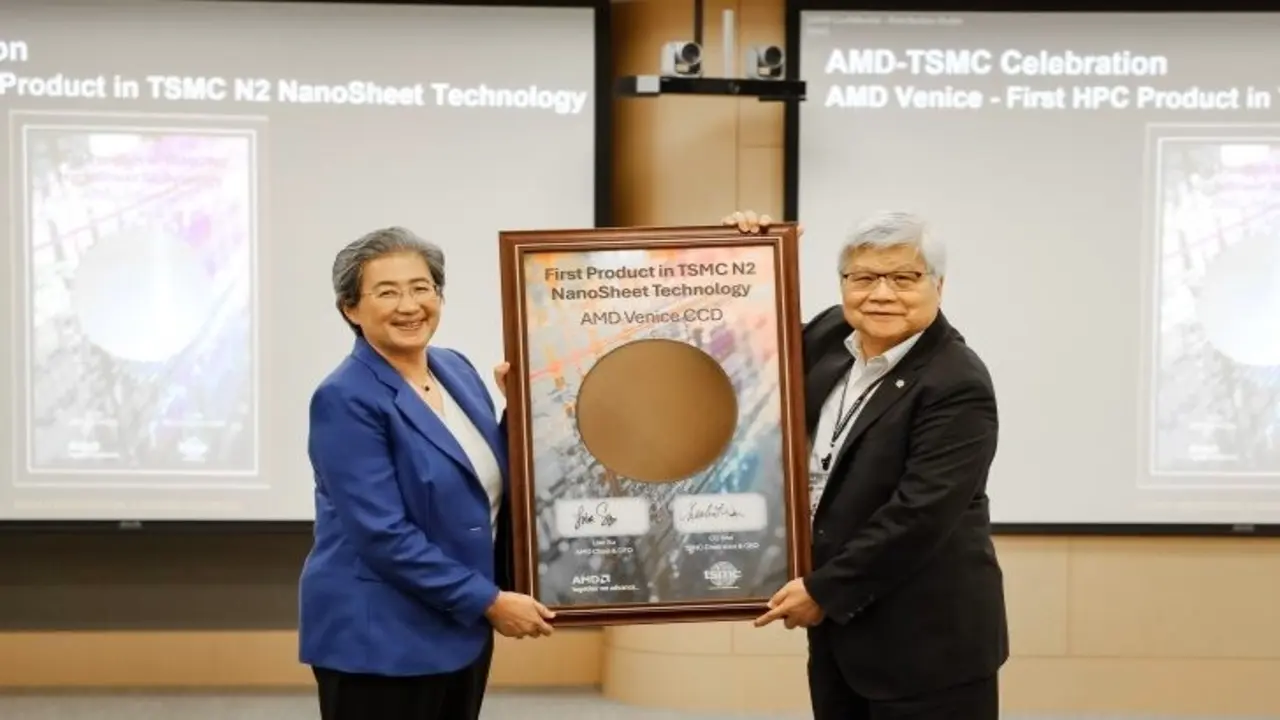
The company appears committed to using this process not only in the server segment but also in the desktop segment. The Olympic Ridge desktop processors, the successors to the Ryzen 9000 series, and the Gator Range high-performance laptop platform are also among the models to be produced using the N2P process.
However, a different strategy is being pursued for mobile platforms, where lower power consumption is required. Codenamed Medusa Point 1, the mobile processors will feature both N2P and 3nm-based N3P components in high-end models. However, lower-end models will only utilize N3P. This choice is driven by the goal of improving power efficiency.
This technological transition indicates that AMD is aiming for a significant evolution with Zen 6, not only in manufacturing technology but also at the architectural level. While smaller manufacturing nodes are traditionally known to offer higher performance and lower power consumption, the real leap is expected to come from the architectural innovations in Zen 6.
This means AMD plans to strengthen its market position by utilizing a more advanced manufacturing technology than its competitors across the majority of its product line. So, what are your thoughts on this?