
NASA Asks Companies How to Save the Hubble Space Telescope
NASA asks companies for ideas to boost, service or safely deorbit the Hubble Space Telescope, which could re-enter in 2033. Responses are due Nov 30.
 Hakkı ALKAN
Published 2 min read
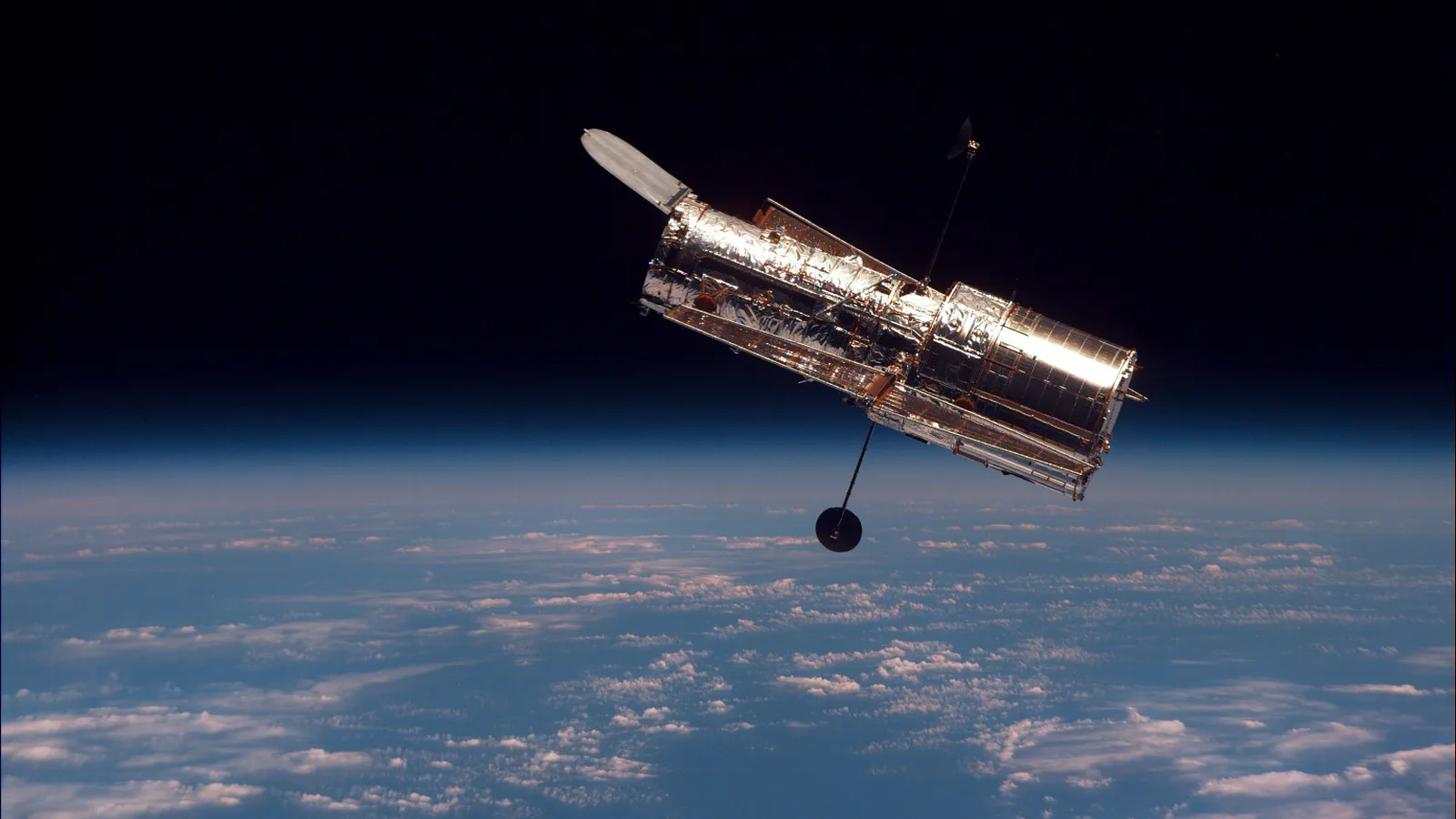
NASA wants private companies to tell it how they could save the Hubble Space Telescope. The agency issued a Request for Information (RFI) on October 29, 2026, asking industry for ideas to boost Hubble into a higher orbit, service it, or bring it down safely. Responses are due by 3 p.m. EST on Monday, November 30, and NASA says any mission would likely need to fly by 2032.
What NASA Is Asking Industry to Do for the Hubble Space Telescope
The RFI covers three options. The first is a reboost mission that would lift Hubble to a higher altitude and extend its science lifetime. The second is a servicing mission to improve the telescope’s capabilities. The third is a controlled re-entry into Earth’s atmosphere, or another form of orbital disposal, once the mission ends.
An RFI is not a contract or a funded mission. It is a way for NASA to see what companies can offer and at what cost before it decides anything. The full notice is posted on the SAM.gov federal contracting site.
NASA Administrator Jared Isaacman said, “If there are innovative and cost-effective ways to extend the life of an asset already on orbit, we owe it to the American taxpayer and the scientific community to explore them.” Nicky Fox, who leads NASA’s Science Mission Directorate, said commercial industry “has rapidly evolved in recent years to offer new capabilities for in-space satellite capture and servicing.”
Why 2032 Is the Deadline
Hubble has no propulsion system of its own. Like every spacecraft in low Earth orbit, it slowly loses altitude because of atmospheric drag. According to NASA’s announcement, analysis shows the telescope is likely to re-enter the atmosphere in the 2033 to 2034 timeframe, so a reboost or disposal mission would have to happen by 2032.
The telescope launched in 1990 and was last serviced by Space Shuttle astronauts in 2009. With the shuttle retired, no spacecraft can currently reach and repair it, so NASA is turning to companies that build satellite servicing vehicles.
Not the First Look at a Private Rescue
This idea has come up before. In 2022, NASA and SpaceX signed an unfunded agreement to study whether a Crew Dragon could boost Hubble, with Isaacman’s Polaris Program involved. In 2024, NASA decided not to pursue that reboost at the time, citing risks to the telescope. The new RFI reopens the question to the whole industry, now with Isaacman leading the agency.
What It Means for Astronomy
Hubble is a joint NASA and ESA project, and it still produces major science after more than 35 years. NASA says it is also developing a flagship mission to follow Hubble, so a commercial boost could act as a bridge until then. The agency is pushing deep space exploration on other fronts too, from the Artemis 3 Moon landing plans to long-running probes like Voyager 1, which recently came back after a 48-hour silence.
If companies answer with workable and affordable plans by November 30, NASA will decide whether a mission to extend the Hubble Space Telescope’s life moves forward. Meanwhile, space science keeps producing surprises closer to home, like the Mars meteorite found to be over 4.1 billion years old.